By Dr. David Atuhe, Nephrologist
When people hear the word dialysis, many become frightened. Some immediately think it means the end of life. Others believe that once someone starts dialysis, there is no hope left. These are understandable fears, but they are based on misunderstanding rather than facts.
The truth is that dialysis is not a disease. It is not a punishment. It is not a sign that a person has failed. Rather, dialysis is a life-saving treatment that takes over some of the work of the kidneys when they are no longer able to do their job effectively.
To understand dialysis, we must first understand what healthy kidneys do.
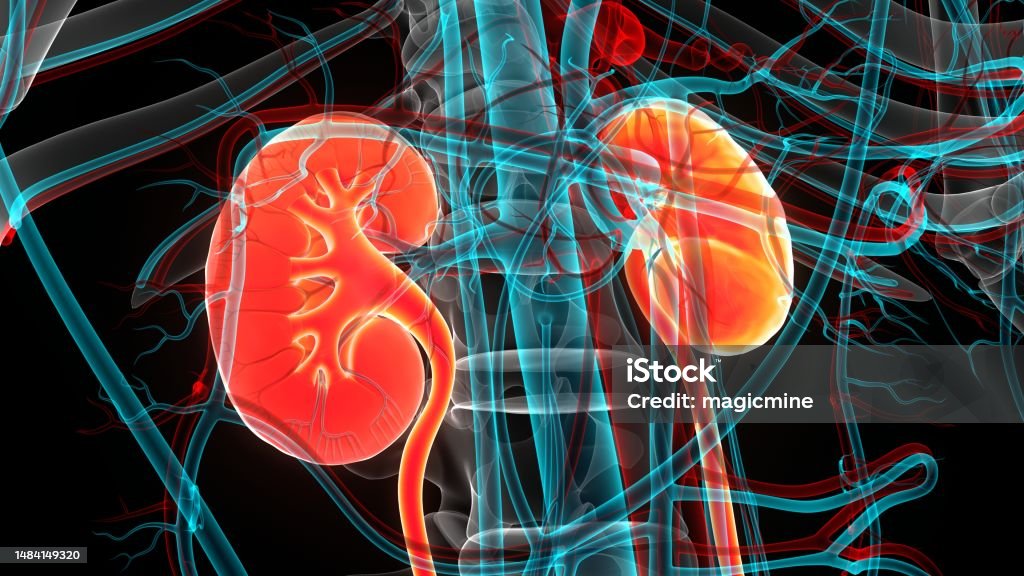
Your kidneys are like the body’s natural water treatment plant. Every day, they continuously filter your blood, removing waste products, extra salts, excess water, and toxins from your body. They also help regulate blood pressure, maintain healthy mineral levels, produce hormones that make red blood cells, and keep your body’s chemistry in balance.
Imagine living in a house where the rubbish is never collected. Day after day, the garbage piles up. Eventually, the house becomes unhealthy and difficult to live in. Something similar happens when the kidneys stop working. Waste products that should leave the body begin to accumulate in the bloodstream, making a person very sick.
This is where dialysis comes in.
Dialysis acts like an artificial kidney. It removes waste products, excess fluid, and harmful chemicals from the blood, helping the body continue functioning when the kidneys cannot.
I often tell my patients to think of dialysis as a temporary bridge across a river. When a bridge collapses, people still need a way to cross safely. The temporary bridge is not the same as the original one, but it keeps life moving until a permanent solution is found. For some patients, that permanent solution is a kidney transplant. For others, dialysis becomes a long-term treatment that allows them to continue living meaningful and productive lives.
There are two main types of dialysis.
The first is haemodialysis. During this treatment, blood is removed from the body through a special tube or blood vessel, passed through a dialysis machine that filters out waste products, and then returned to the body. The machine performs many of the filtering functions normally carried out by healthy kidneys. Most people receiving haemodialysis undergo treatment several times each week, with each session lasting several hours.
The second type is peritoneal dialysis. Instead of using a machine to clean the blood directly, this method uses the lining of the abdomen, called the peritoneum, as a natural filter. A special dialysis fluid is introduced into the abdominal cavity, where it absorbs waste products and excess fluid before being drained away. This treatment can often be carried out at home after proper training.
Many people wonder whether dialysis is painful.
The treatment itself is generally not painful, although inserting needles for haemodialysis may cause temporary discomfort, much like having blood drawn for a laboratory test. Some patients experience tiredness after treatment, especially when they first begin dialysis, but many adjust over time and continue with their normal daily activities.
I remember one gentleman who arrived at the clinic convinced that dialysis meant the end of his working life. He feared he would never again support his family or return to his business. Several months later, he was back at work managing his shop and joking with the dialysis nurses during his treatment sessions. His illness had changed his routine, but it had not taken away his purpose.
I also remember a grandmother who initially refused dialysis because she believed the stories circulating in her community that “everyone dies after starting dialysis.” After careful counselling, she agreed to begin treatment. Today, she continues to enjoy time with her grandchildren and often tells other patients not to let fear prevent them from receiving treatment that could save their lives.
These stories remind us that while dialysis changes life, it does not necessarily stop life.
One of the biggest challenges surrounding dialysis is not the treatment itself but the myths that surround it. Some people believe dialysis causes kidney disease. Others think it is addictive or that once you begin, you can never stop. In reality, dialysis does not damage the kidneys. It is started because the kidneys have already lost much of their function. Whether dialysis can be stopped depends entirely on why the kidneys failed. Some patients with temporary kidney injury recover enough kidney function to discontinue dialysis, while those with permanent kidney failure may require ongoing dialysis or a kidney transplant.
Living with dialysis requires commitment. Patients must attend treatment sessions regularly, take prescribed medicines, follow dietary advice, and limit fluid intake where necessary. Missing treatments can allow dangerous waste products and excess fluid to build up again, placing the person’s health at serious risk.
Family support also plays a very important role. Encouragement from loved ones often helps patients cope emotionally and maintain hope during treatment. Kidney disease affects not only the patient but also those who care for them.
Perhaps the most important message I would like readers to remember is that dialysis is only one part of kidney care. Our greatest goal is always to prevent kidney failure before dialysis becomes necessary. This is why regular health check-ups, controlling blood pressure, managing diabetes, maintaining a healthy weight, drinking adequate water, avoiding unnecessary use of harmful medications, and seeking medical attention early are so important.
As a nephrologist, I have seen many patients whose lives have been extended because of dialysis. I have also seen many who could have avoided dialysis altogether had their kidney disease been detected and treated earlier.
Kidney disease is often called the “silent disease” because many people have no symptoms until significant damage has already occurred. That is why awareness matters. The more we understand our kidneys, the better we can protect them.
If you or someone you know has been advised to start dialysis, do not let fear or misinformation guide your decision. Ask questions. Speak with your healthcare team. Learn about your treatment options. Most importantly, remember that dialysis is not the end of your story—it is often the treatment that gives you the opportunity to continue writing it.
Leave a Reply